Kyoto by Season: An Ode to Morning Mist and Tea Gardens
Navigating the quiet back-alleys of northern Kyoto, artisan ceramics, and the timeless rituals of private morning Kaiseki.
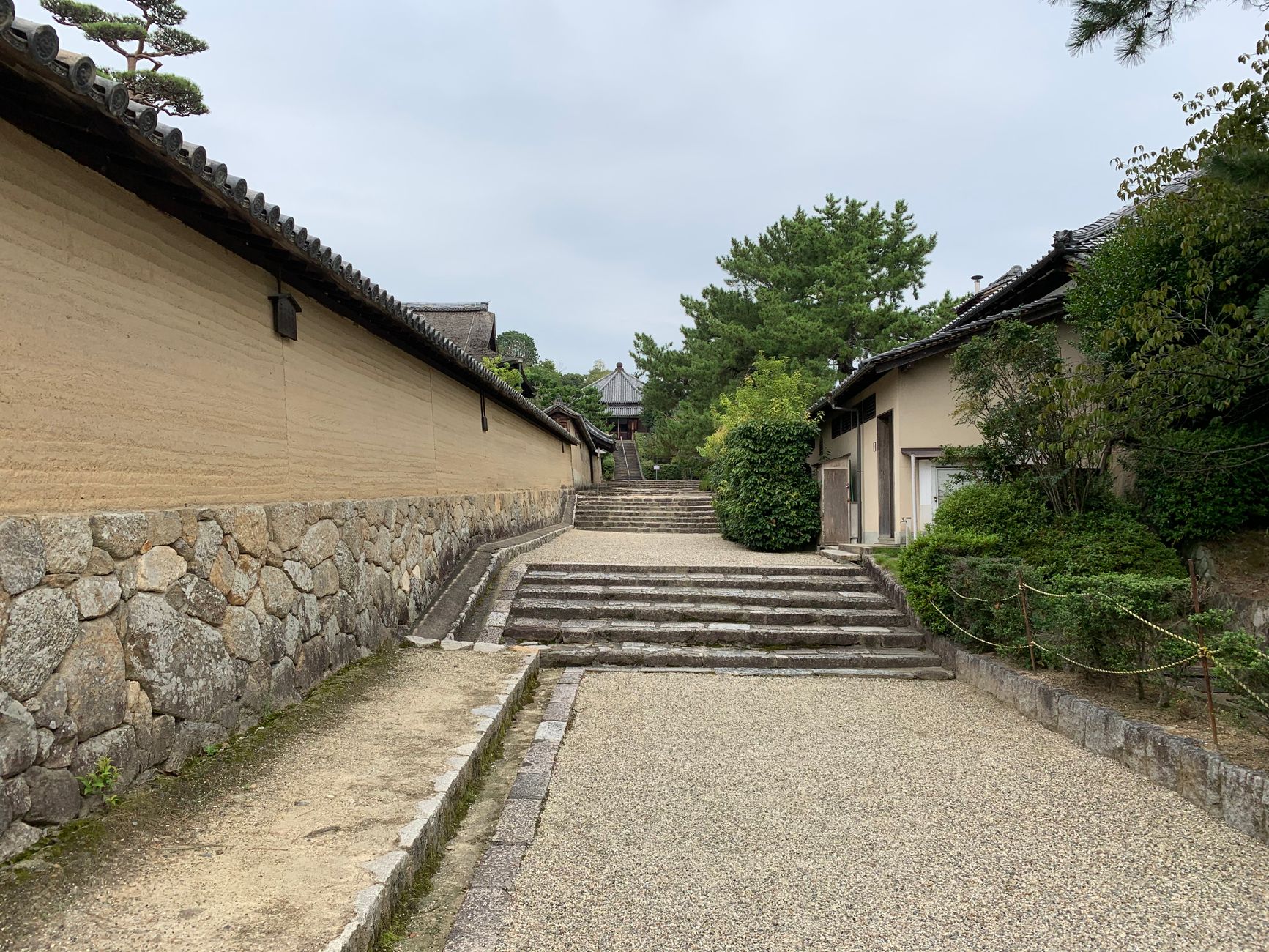
A centuries-old zen courtyard tucked behind Daitoku-ji.
Table of Contents
To truly understand Kyoto, one must walk its stone lanes between five and seven in the morning, before tour buses arrive and before wooden storefront shutters slide open. In this fleeting window, the ancient capital belongs only to temple priests raking gravel, grandmother shopkeepers misting stone entryways with water, and the subtle scent of hinoki incense drifting through humid cedar courtyards.
1. Walking Before the City Awakens
In northern Higashiyama, narrow stone steps wind upward toward moss-covered cemetery paths beneath Mount Hiei. Here, the tourist crowds never materialize. Water flows cleanly through stone roadside aqueducts, while wild bamboo creaks in the morning wind. It is an environment that commands instant reverence and an intuitive slowing of one's pace.
2. The Architecture of the Machiya Townhouse
Traditional Kyoto machiya are narrow wooden residences designed with deep interior courtyards called tsuboniwa. These microscopic gardens—frequently measuring no more than six square meters—are masterworks of micro-topography featuring single moss stones, miniature maple trees, and stone water basins.
"In the Japanese garden, emptiness is not the absence of content; it is the space where observation finally becomes possible."
Staying in a sensitively restored machiya allows travelers to experience the natural cooling effects of sliding shoji screens, the aromatic presence of tatami reed mats, and the peaceful sound of raindrops falling upon clay roof tiles.
3. Seasonal Kaiseki and Clean Broth Traditions
Kyoto cuisine (Kyo-ryori) is fundamentally an exercise in culinary subtlety. Rather than overwhelming the palate with concentrated fats and spices, master chefs build broths (dashi) from aged Rishiri kelp and bonito shavings, coaxing out the subtle sweetness of seasonal root vegetables, wild mountain ferns, and silken tofu.
Plan a Private Cultural Journey
Access verified artisan workshops, private tea master invitations, and secluded machiya lodgings through our editorial advisory.